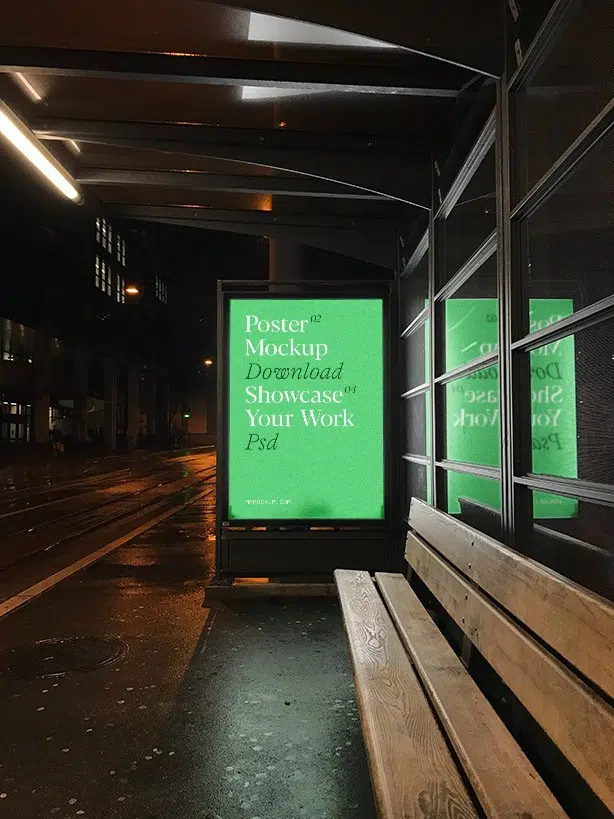
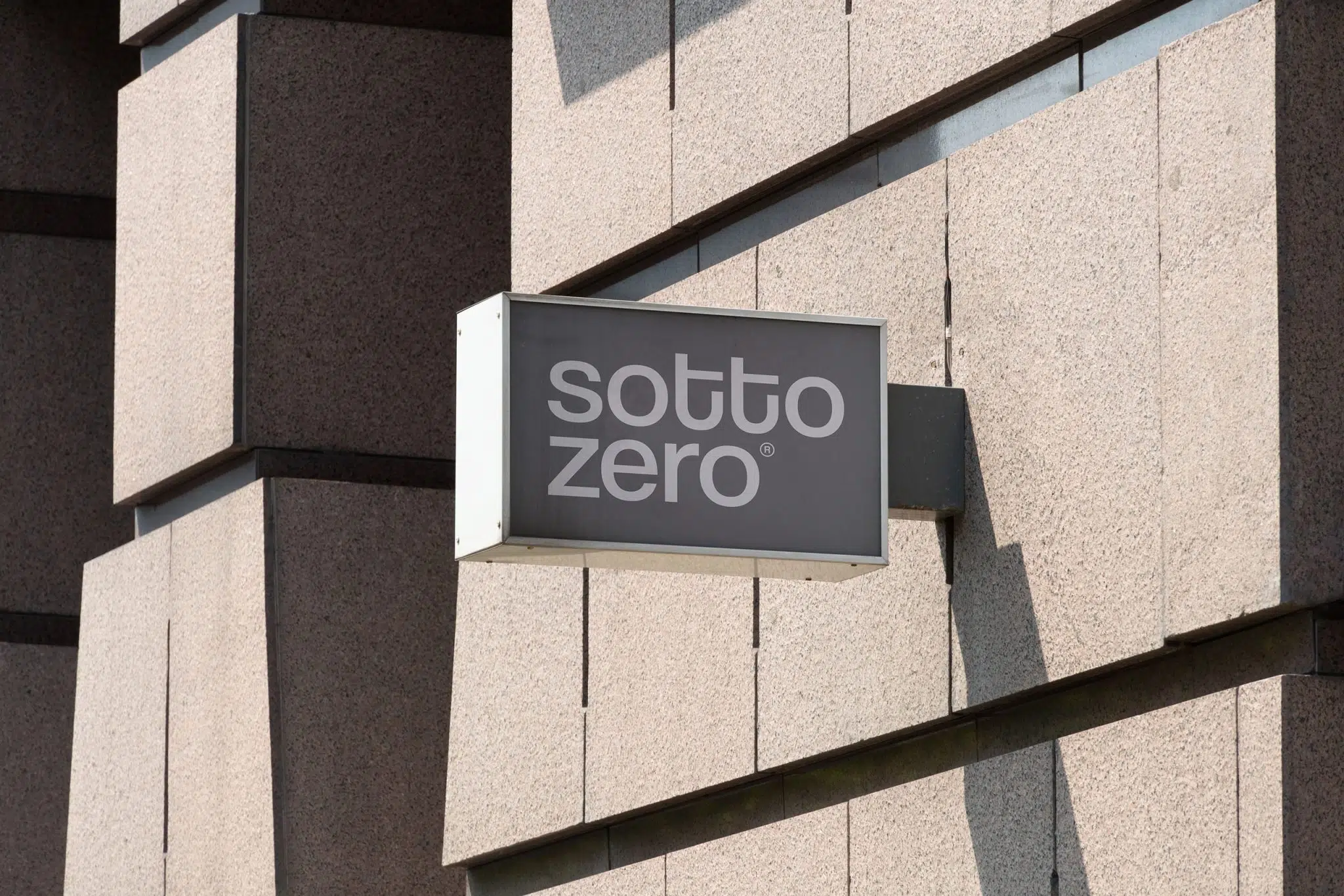
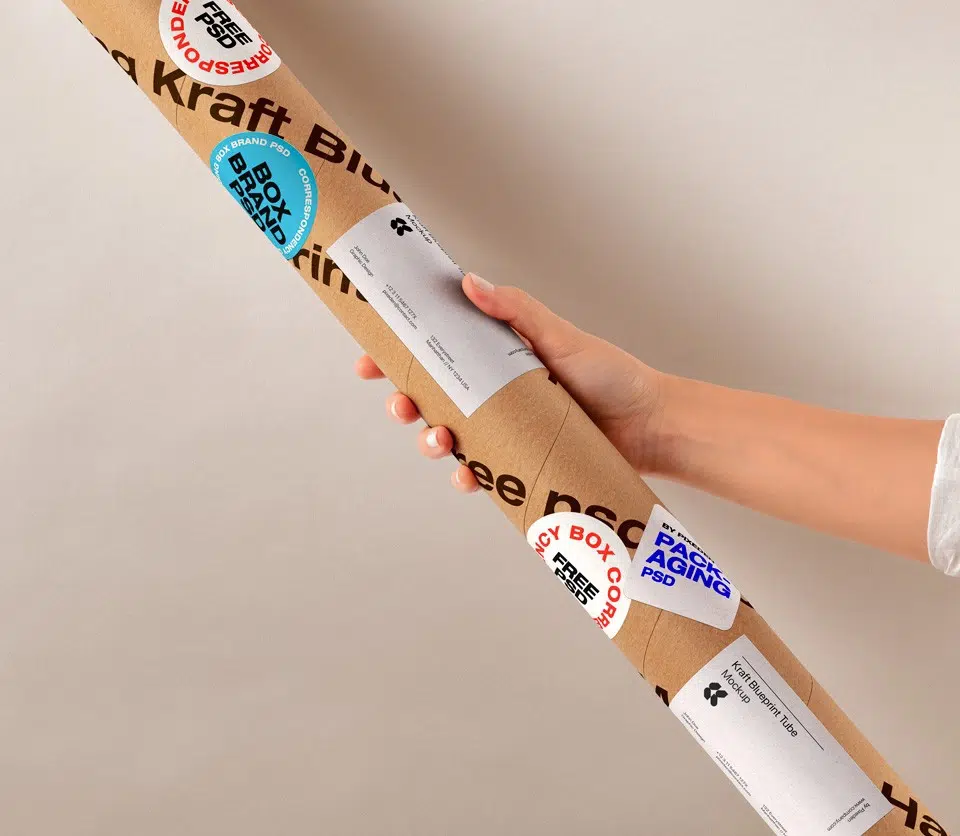
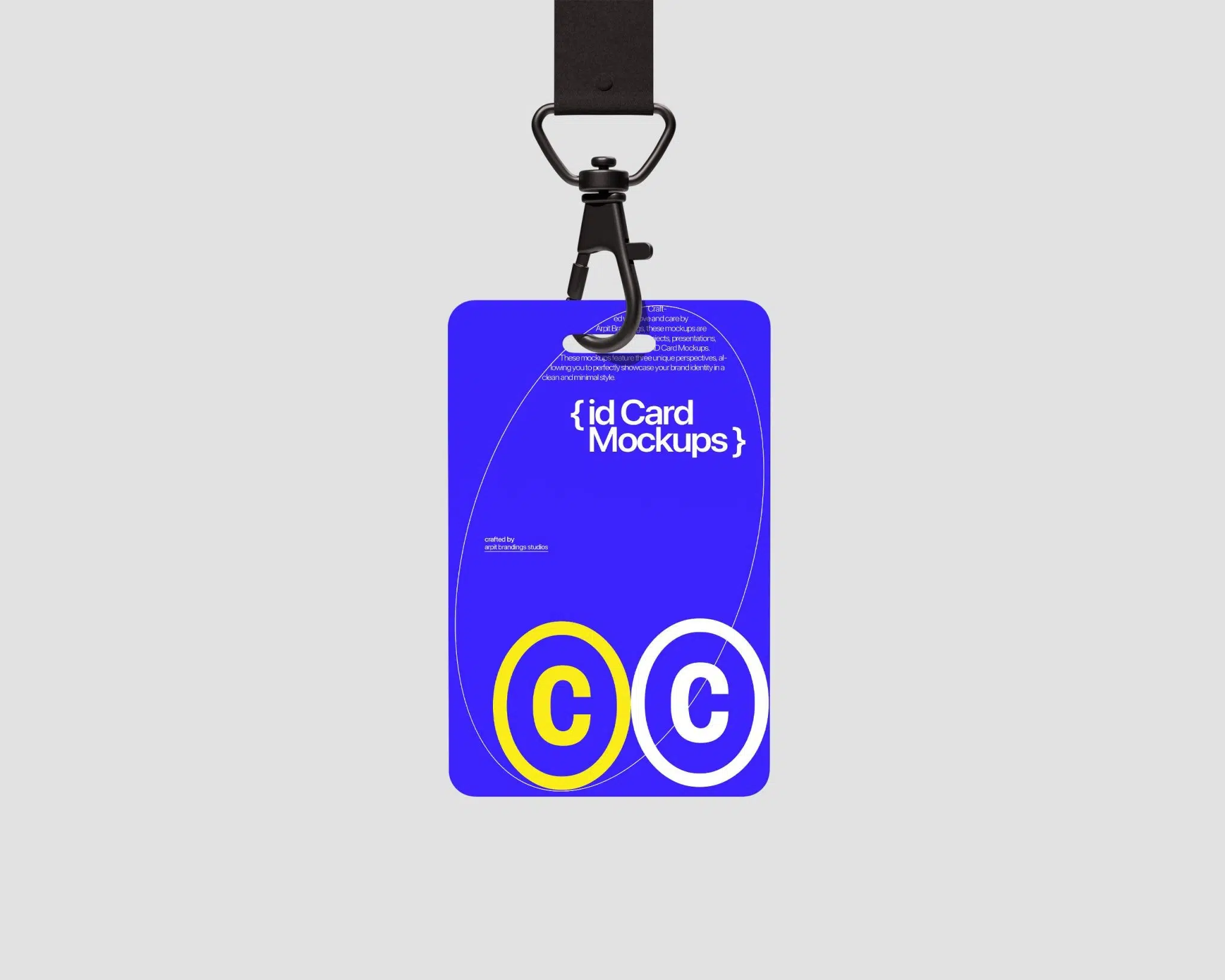
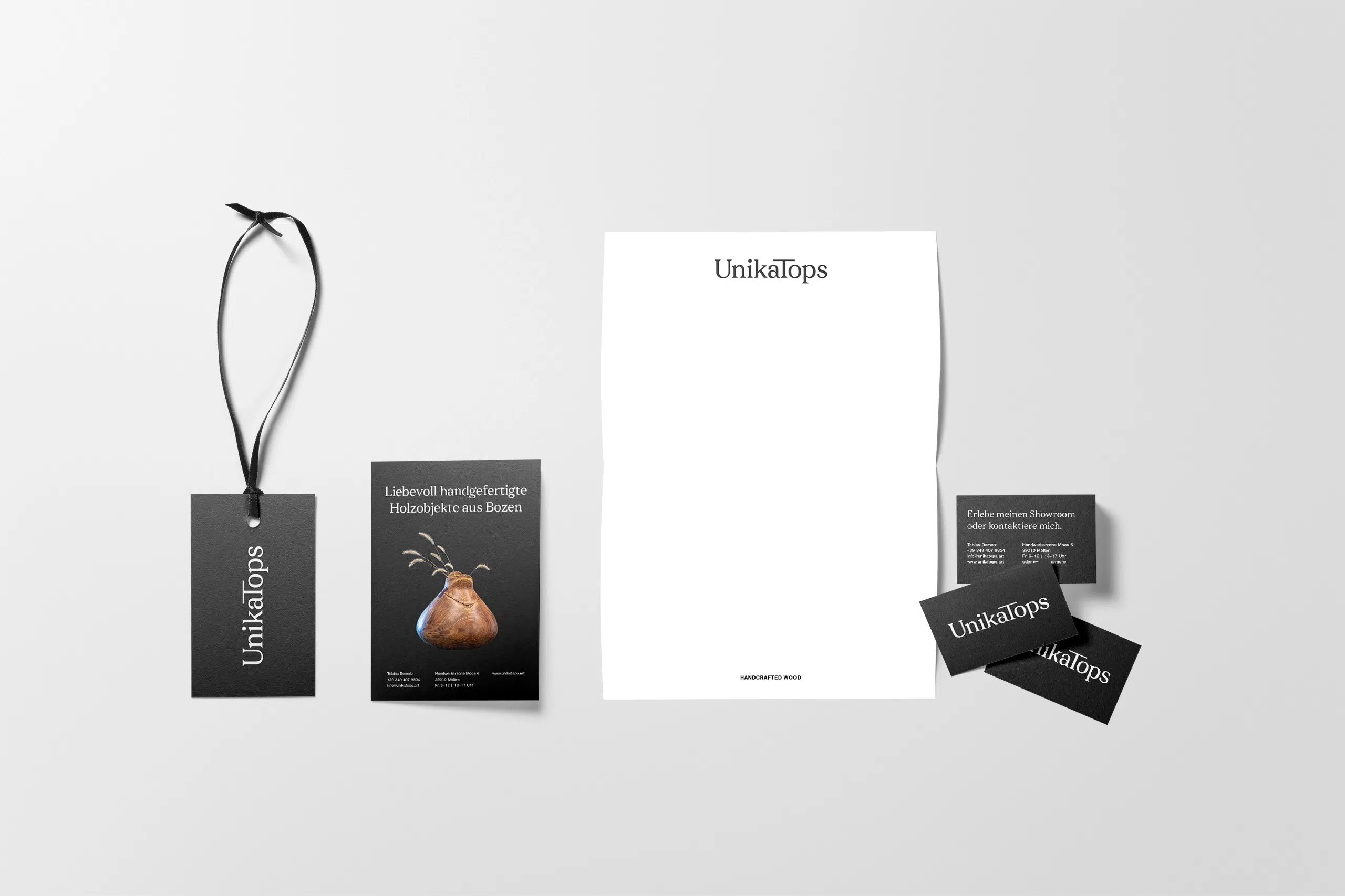
Premium mockups are usually the better option, but free ones can be surprisingly well art directed too. Just bear in mind that you might not always be allowed to use them for client work. I’ve included the terms of each site in this list, but it isn’t legal advice and terms can change, so make sure you check with the provider before using a mockup in a client project.
This article contains a few affiliate links. If you end up buying mockups from some of these sites, I earn a small commission at no extra cost to you.
Licences last checked: September 2026.
1. Freebies from independent mockup sites
You can start your search for free mockups at independent creators and premium mockup stores like Bendito, SédShop, Darkroom or Art Directed.
Many of them give away a few samples to show the quality of their work. The licensing varies, though. Some freebies are personal use only, some come in a lower resolution, and some are completely free to use. Since this is a creator’s decision rather than a platform policy, it’s worth reading the terms on the download page itself.
Some creators will ask you to sign up for their newsletter or go through a $0 checkout to get the mockups.
Mockup Cloud curates premium mockups from a range of designers and stores as well as their own, alongside a large free section. You’ll find the usual devices, packaging, flags, business cards and signage, plus rarer things like a branded surfboard.
The site runs a browser-based editor, so you can drop your design in without needing Photoshop. There are plenty of free options next to affordable paid ones, and a full access option that covers the whole library.
The terms page is written around purchases and doesn’t mention free downloads specifically, so it’s worth checking the licence on the item before you use it. The ones I’ve downloaded always came with the same licence as the paid ones, though, which covers personal and commercial work. You can’t resell or redistribute the files, or rebuild them into your own mockups to sell on.
LS Graphics creates clean, minimal mockups, and it’s one of the few places that supports Figma mockups. Their Figma plugin lets you drop a design straight into a mockup without leaving the file, which saves a lot of time.
Their fully rendered range covers apparel, billboards, devices, print and animated mockups, alongside illustrations and 3D assets. You’ll find free mockups as well as paid ones, and there’s a subscription option to access the full library.
Although the terms allow for commercial use, including client work, they are written around their paid mockups and don’t mention free downloads specifically. You cannot resell or redistribute the mockups, nor can you publicly share download links or source files.
Wannathis makes minimal device mockups, plus some print options, mostly for Figma and partly for Photoshop. There’s a browser editor as well, so you can work without having to install anything. As well as the mockups, they also specialise in 3D illustrations and graphics.
The licensing works differently here. The free scenes are free to download, but they’re licensed for personal use only, so they’re fine for your own portfolio and not for client work. You’ll also need a free account to download them. For commercial use you need Pro Access, their paid subscription, or you can buy sets individually.
Mr. Mockup is run by the Polish studio Noeeko. Their free section is one of the largest around with items like stationery, magazines, books, packaging, posters, frames, cosmetics, signs, billboards, vehicles, apparel and devices—you name it.
Mr. Mockup’s freebies are royalty free for personal and commercial work, client projects included, with no attribution required. Like usual, you just can’t pass the file on, in any form, even for free.
CSS Author is a design blog that also features a collection of mockups from all over the web, including themes like apparel, packaging, branding, advertising and website mockups, as well as tutorials and tool roundups.
It’s a collection of other people’s work, so there’s no single licence. CSS Author doesn’t host the files either. Each entry has its own licence, and the download button sends you to the original creator’s site. As far as I can tell, a lot of them are Creative Commons BY, which means you have to credit the creator, which is not always easy to fit into a client presentation.
Pixeden has been around for a long time and covers mockups, print templates, icons and vector files. As well as the free files, there’s the Pixeden Club, which is a paid membership that gives you access to their full library.
The licence here covers both free and paid assets, and they’re both royalty free for personal and commercial projects. You can modify the assets, and you don’t have to attribute Pixeden. As always, you can’t pass the files on, and if you ever want to use a free mockup for a product you sell on a marketplace, you’re asked to check with them first.
Craftwork is a marketplace for illustrations, UI kits, fonts, icons and mockups, with a Pro Access subscription for the full library. The free mockups look clean and modern, and they’re especially useful for web design work.
There are two kinds of free download here, and they don’t come with the same rights:
- Files listed as free products come under Craftwork’s commercial licence, so client work is fine.
- Anything labelled demo files is personal use only and explicitly not allowed in client projects.
Either way, the free assets are for digital use like presentations, pitches, social or web. The terms rule out making physical products with them and using them as the main component of anything you sell.
House of Mockups was founded by Anthony Wood and works with creatives from around the world. The mockups are photographic rather than rendered, and the freebies section is small but diverse.
The licence is the vaguest of the lot. It grants you the right to use and modify the files as often as you like, and it rules out passing them on in any form. It never states whether commercial or client use is covered. For portfolio work, that’s fine. For client projects, I’d email them first.
MockupWorld is one of the largest free mockup directories out there, covering just about every category—be it devices, packaging, posters, signage, books, apparel, cosmetics, vehicles or food. The quality varies, but you’ll find some good free mockups here if you search long enough.
MockupWorld doesn’t host or license any mockups itself. It just points you to the creator, so you should always check their terms.
Mockups Design is a one-man project out of Poland, built around branding, print and web presentations. The website features studio mockups, photo-based simple ones, urban scenes shot in real city environments, and a free scene creator kit for arranging elements yourself.
The licence is generous and clear. Commercial use is okay without limits and no attribution is required. You can’t pass on the open PSD, and you can’t sell the mockups on other stock sites. Once you’ve saved the file as a jpg you can send it to clients, print it or post it wherever you want.
Unblast curates PSD mockups for iPhones, packaging, apparel, flyers, posters, smartwatches and vehicles, alongside fonts, templates, icons, colour palettes and 3D models. There’s overlap with MockupWorld and Mockups Design, but the curation and presentation are noticeably better.
Anything made by Unblast’s own designers is free for personal and commercial use. Everything else belongs to the original author, and Unblast simply repeats whatever licence they set.
Magnific, formerly known as Freepik, has rebuilt itself as an AI platform for stock images, video, audio and 3D assets as well as mockups. The mockup generator runs in the browser, which makes it well suited to marketers and small business owners that don’t use Photoshop or Figma.
The mockups come under a free-with-attribution licence. Commercial use is fine with print and advertising included, as long as the credit sits in the finished design as a link on the web or in the credits elsewhere. In a client presentation that’s probably not what you want.
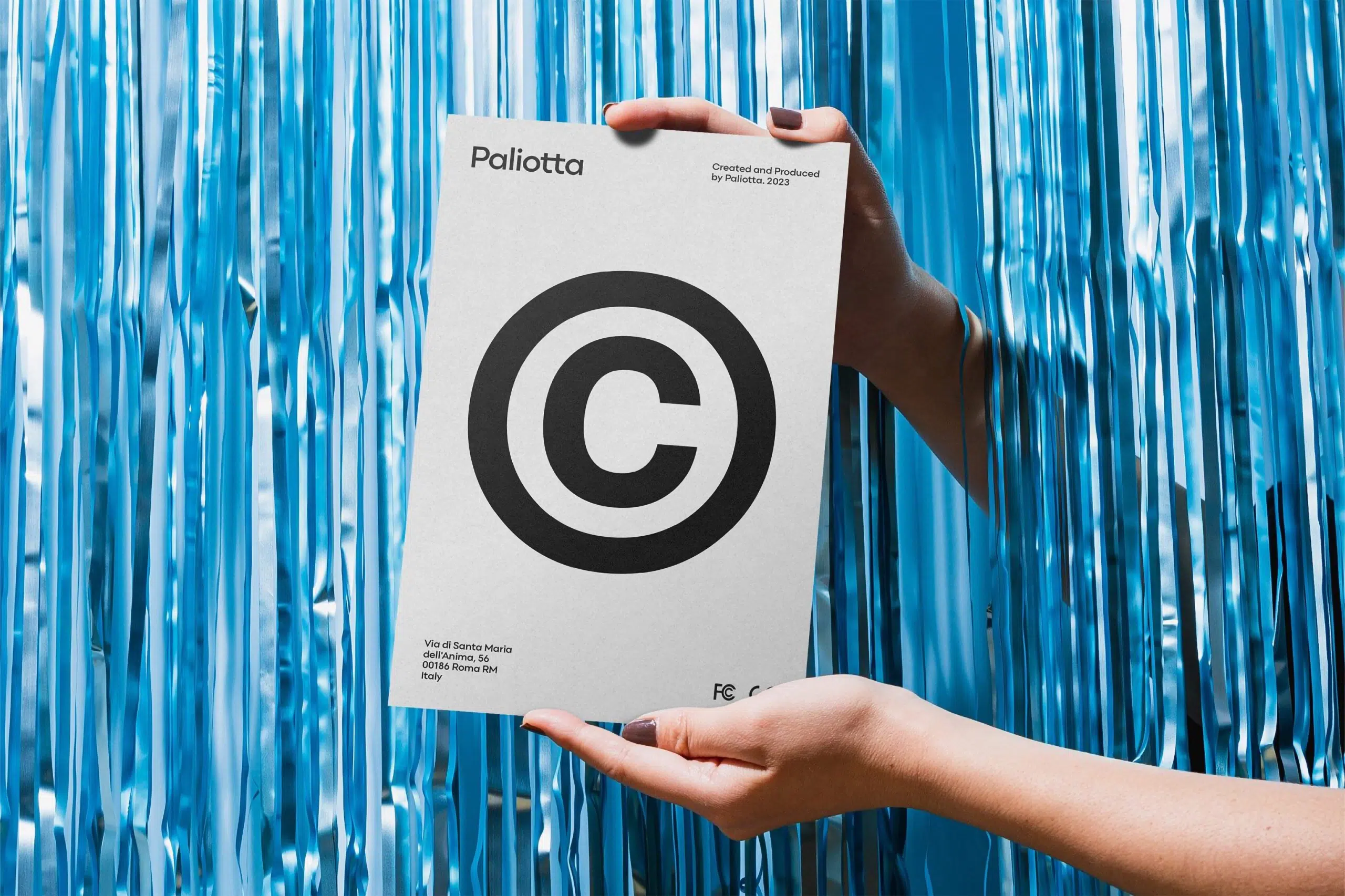
Gumroad isn’t a mockup site but a marketplace where independent creators sell their work directly. I found several of the images in this article on Gumroad, via other directories. So it’s worth checking out designers such as Alex Paliotta or 4thperspectivemockup, usethis Studio or Marcin Antoni Lemański.
Licensing is set by each creator, not by Gumroad, and it’s usually stricter than on the bigger platforms. A common setup is a free low-resolution version for portfolio and student work, with commercial rights only in the paid version, sometimes with a separate tier for larger companies. Read the product description before you download.
Plenty of the work is on a pay-what-you-want basis, including $0. Unlike the bigger platforms, which earn from memberships, ads or affiliate commissions, these creators only earn if someone chooses to pay, so I urge you to pay if you can.
Canva is worth knowing mainly if you already work in it. You can edit the mockups via drag-and-drop directly in their web app. The selection is thinner and less specialised than elsewhere, but it’s great for social posts or marketing material.
The licence covers advertising, print, packaging and presentations, with no limit on print runs, for both free and premium content. You can publish the designs you make anywhere, but you can’t pull individual elements out and pass them to a client as standalone files. Canva content also can’t become part of a logo, trade mark or business name.
16. Portfolio Sites
17. Free stock image sites
Free stock sites like Unsplash, Pexels or Kaboompics aren’t mockup libraries, but a good photo of a bag, a shelf or a shop window can become one. It takes longer, since you’ll need to place your design and match the perspective and lighting yourself, but you’ll get something unique.
On Pexels, some photographers group shots from a single shoot into collections, which gives you the same object from several angles and a consistent look across a presentation. MARTPRODUCTION and Cup of Couple are both worth a look.
The licences allow commercial use without attribution, but they don’t cover recognisable people or third-party brands in the shot. There’s no model or property release behind these photos, which is worth knowing before you use them.
Conclusion
Whichever mockup you pick, make sure you read its licence first. As you’ve seen, “free” covers everything from full commercial rights to portfolio use only.
If none of the free mockups fit your project, or you’d rather be on the safe side legally, my list of premium mockup sites covers all the paid options I like.
You might also like my recommendation on the best websites for authentic stock images.
Title image by Alex Paliotta as found on Gumroad