
But I rarely see anyone stop to ask the more interesting question: what does culture actually mean? And if we don’t know that, how can we build it?
I’ve been thinking about this more recently, partly because the topic fascinates me, and partly because I’m not sure the strategy and identity work I do always sets clients up for it as well as it could. This article is my attempt to work through it.
What is culture?
Before we can talk about brand culture, it helps to understand what culture actually is, because it isn’t that straightforward.
Sociologist Raymond Williams once called culture one of the two or three most complicated words in the English language. That’s probably because it means different things to different people.
The most useful definition comes from anthropology. Clifford Geertz described culture as “the stories we tell ourselves about ourselves”. So it’s not a list of values or behaviours, but a shared narrative that holds a group together and tells them who they are. It creates a sense of belonging and defines who’s part of it and who’s not.
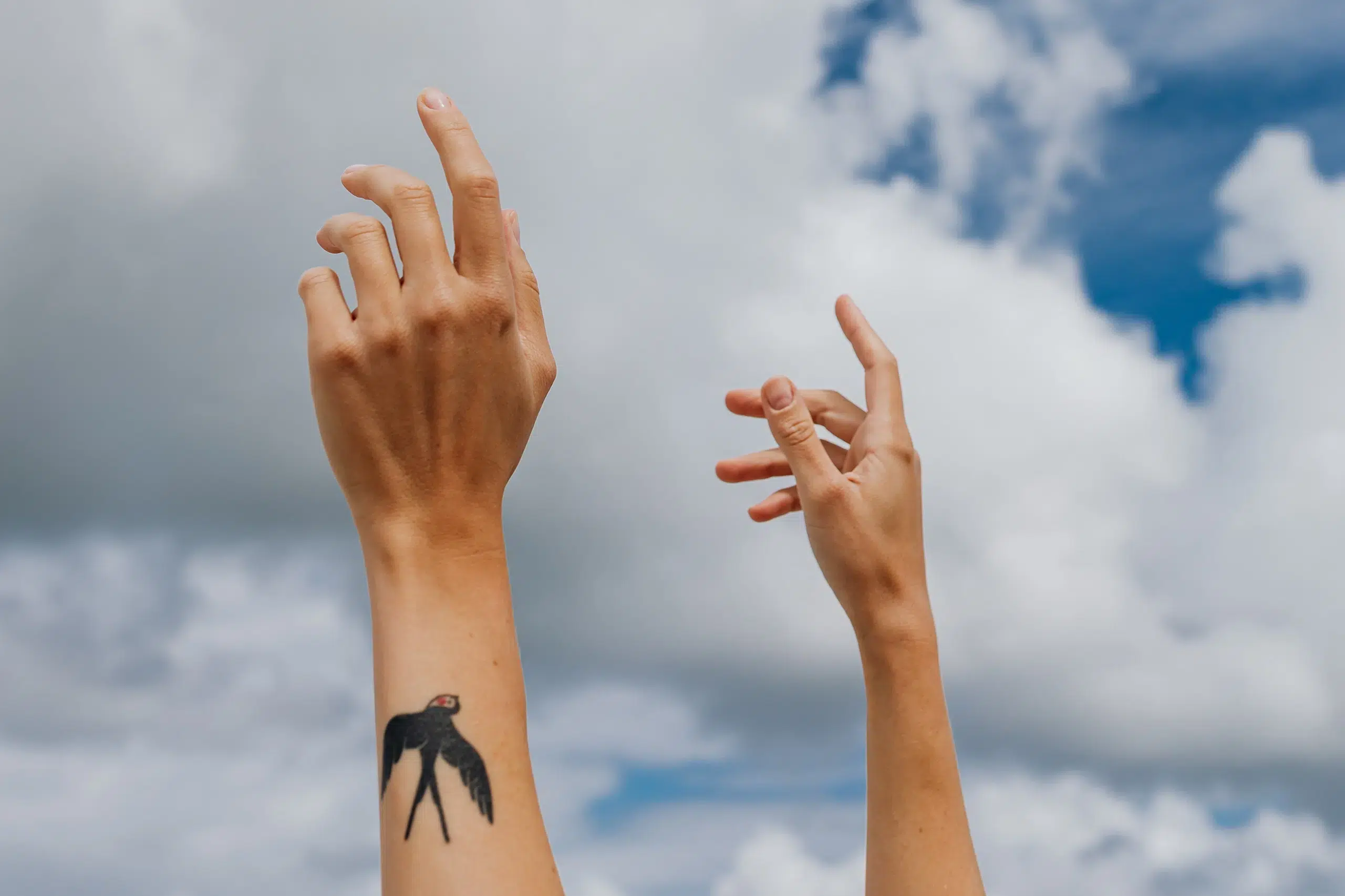
The narrative gets expressed through artefacts—the objects, symbols, rituals and language the group shares. Think of traditional cultures. They shared ceremonies or food, and often matched jewellery, clothes, or tattoos to signal belonging.
Today, those artefacts just look different. They could be a band’s merch, a limited-edition sneaker, or an invite-only dinner ritual. The function is the same. They give people a platform to express who they are.
Now, if that’s our definition of culture, it exists before the brand. Brands don’t create it, they find their way into it. That’s the part most other articles don’t mention and that interests me the most.
What is brand culture?
Brand culture is where the internal world of your business—its values, beliefs and way of operating—overlaps with the external culture it wants to tap into. It’s the common ground between who your business is and who your audience is.
That’s why brand culture is inherently selective. You’re not trying to please everyone. You’re finding the people whose stories already echo yours and creating something that feels like it was built for them.
Though I’ve noticed strong brands often skip that step and decide who they want and build towards them, whether those people know it yet or not. However, that’s also budget question, too.
Like any culture, brand culture gets expressed through artefacts. In branding, those artefacts are everything you put out, really—your tone of voice, visual identity, events, collaborations, the spaces you show up in, and how you answer an email.
Each of these touchpoints might be a design decision on its own, but together they shape your culture.
That’s why a rebrand alone can never create culture. Because a new logo is an artefact without a story and culture built behind it, yet.
Brands don’t create culture, they tap into it
Two examples make this clear.
Oatly
Oatly didn’t invent the movement against dairy farming or the values around sustainability and animal welfare. Those had existed for decades. They were just a bit eco and boring and not cool.
What Oatly did was pull that culture into a completely different context. They brought in irreverence, wit, and a design language that felt more streetwear than health food.
They made the values feel alive and a little bit punk. The values were there, but Oatly gave them a new shape—and suddenly they became desirable to a much wider audience.
A24
A24 did something similar in film. There has always been an audience that liked emotionally complex, slightly uncomfortable indie cinema. Those people existed before A24, I was one of them. They were just scattered and underserved in the US.
A24 gave them a platform. Everything they do, from the films they produce to the way they market them, feels a bit strange yet very intentional.
All of it creates something people can see themselves in. After all, they don’t really buy A24 merch because they’re fans of a production company. Wearing one signals who they are.
Neither brand invented its culture. They understood it, gave it a home, and made it visible.
The gap between what brands say and what they do
Research from MIT Sloan found that in most organisations, what a company says it stands for and what employees actually experience day to day can be quite different. In some cases, the two were barely correlated.
That gap doesn’t stay hidden for long. Customers feel it, and trust erodes quickly.
For example, BrewDog built its entire identity around being anti-corporate and punk. They were vocal about their values like transparency and irreverence.
Then in 2021, over 60 former employees published an open letter describing a culture of fear, bullying and exactly the kind of behaviour the brand had publicly positioned itself against. The backlash was severe, and that’s precisely because the brand had made such a big deal about its values.
This is something I think about in my own work, too. Brand strategy and identity can help articulate what a business stands for. But you can’t build culture from the outside in. It comes from what happens day to day—how you treat your team, how you make decisions under pressure or whether the people behind the brand believe in it. And I’m not there to do that.
What this looks like for small brands
With the examples I’ve used so far, brand culture can start to feel like a big-company concept. A24, BrewDog and Oatly aren’t exactly small businesses. It’s just that the small businesses I know best are based in New Zealand. Yours might look completely different. Here are two I know of:
Goodlids
Goodlids is a small hemp outdoor clothing brand from Auckland. They make simple, durable clothing for people who spend time outdoors, with a certain style to them.
The culture around hemp used to be heavily tied to cannabis, which put a lot of people off. Goodlids looked at the culture they actually wanted to be part of—outdoor adventure, sustainability and durability—and just didn’t lean into the cannabis side at all.
Their collaboration with Allbirds, their store in Auckland, and a pop-up in Shoreditch—a London neighbourhood that feels like their kind of place—all reinforce the same thing. As one publication put it, they are “late 90s Patagonia, only with a healthy amount of added Kiwi nonchalance.”
Poet Botanicals
Poet Botanicals is a Wellington-based aromatherapy brand created by a friend of mine. The brand designs scented candles, mists and essential oil blends and positions itself as an answer to the pace of modern life.
The slow wellness movement already existed before Poet. People were increasingly looking for self-care, rituals, intention and taking their time. Poet didn’t create that culture. But every choice the brand makes speaks to it—the products, the imagery, the boutique shops it’s stocked in, the collaborations with local potters and wellness studios. And none of it needed a big budget.
Neither of these two brands invented their culture. They found it, understood it, and built something that gave it a home.
The authenticity problem
We’re at a time where the gap between what a brand claims and what it does is harder to hide than ever. Through social media and online reviews, everything is more visible, more searchable and more permanent.
This creates pressure towards one of two bad outcomes:
- The first is performative culture, claiming values loudly without doing the internal work to back them up. That’s the BrewDog problem.
- The second is cultural silence—saying nothing, standing for nothing and trying to be inoffensive to everyone. A brand without a point of view isn’t something that people will be drawn to.
The brands that navigate this well are the ones where external expression and internal reality are the same thing. Where the founder believes what the brand says. And where every decision, big and small, comes from the same place.
This is actually one of the real advantages small businesses have. There’s no gap between the brand and the person behind it. That kind of rawness is hard to manufacture at scale, but for a small brand, it’s often just who you are.
How to build brand culture as a small business
Brand culture isn’t something you tick off a checklist. Building it never stops. But there are some practical places to start.
Find, or decide, who you’re for
Most approaches say—find your audience, understand what they already believe, and build for them. That’s a good starting point.
But strong brands often go further and decide who they want and build something so specific and compelling that those people find them.
Most of the clients I work with haven’t fully answered that question before building their brand. Without it, it’s almost impossible to tap into a culture meaningfully, because you don’t yet know which culture you belong to.
Build from the inside out
Before you think about how your brand looks or sounds externally, check whether your internal reality supports the external promise.
Do your values show up in how you treat your team and suppliers? Do your hiring decisions reflect your culture? Does the way you work feel consistent with what you say you stand for?
Be deliberate about who you’re seen with
Collaborations, stockists, events, partnerships—these signal your culture as much as your identity does. Who you choose to be seen with already tells people which culture you belong to.
Think beyond your branding
What’s the cumulative feeling of everything you put out? Whether that’s your Instagram feed or how you respond to a customer complaint—every touchpoint either reinforces your culture or dilutes it.
So, what is brand culture exactly now?
Brand culture isn’t something you build. It’s something that accumulates, when what you stand for on the inside matches what you put out, consistently, over time.
You can neither manufacture it, nor buy it with a rebrand. But you can lay the right foundations.
If you’re still working on the foundations, such as your brand positioning, personality and values, my complete guide to branding for small businesses covers all of it.
FAQ
Does brand culture apply to B2B companies too?
Yes, and it might matter even more in B2B, where people buy into a relationship rather than just a product. Culture is what tells them whether they can trust you.
Notion built a community around their product. Mailchimp did something similar, tapping into the culture of independent business owners who felt overlooked by corporate tools.
Do I need a brand culture as a solopreneur or as a personal brand?
Yes, though it works a little differently. When you are the brand, you don’t need to construct a culture from scratch.
You already have a personality and a point of view. The work is about knowing yourself well enough to articulate it clearly, and then expressing it consistently so the right people recognise themselves in it.
What’s the difference between brand personality and brand culture?
Brand personality is the voice—how a brand expresses itself through its tone and attitude. Brand culture is bigger. It’s the world the brand belongs to.
Let’s use Oatly again. The personality is irreverent and a bit punk. The culture is what that personality does in the world—publishing the lawsuit against them as an ad, running the weird “Wow No Cow” Super Bowl spot.
Do I need to have an opinion on everything to build brand culture?
No, but standing for something does help, even if it means appalling some people. Weak connections with everyone are worth less than strong connections with the right people.
A sustainable outdoor brand doesn’t need to comment on every news cycle. But if a policy threatens public land access, that’s their world and they should have an opinion about it.
Title image by Kaboompics