

You might be wondering if you need professional branding from day one, or if it can wait. The answer depends on factors such as your experience, budget, goals, and how your business operates.
In this guide, I’ll walk you through when to start branding your business, what the real benefits of professional branding are, the six warning signs your brand might be holding you back, and how you can start building a consistent brand from day one—even if your budget is tight.
The short answer
You need branding from day one, ideally before you even launch. Professional branding becomes necessary at the latest when:
- You need to clearly differentiate yourself from the competition.
- You want to command higher prices in the market. Research by Brand Finance and the IPA shows that strong brands enjoy a price premium—top-performing brands achieve shareholder returns up to 30% higher than their unbranded competitors.
- Your brand looks unprofessional or doesn’t feel like it fits who you are.
- You are gaining paying customers and want to scale.
- You want to convince investors or business partners.
- You’re making decisions every day, but you don’t have a clear direction to guide you.
What branding actually means
Branding isn’t just your logo. It’s the feeling people get when they come across your business. You build a strong brand when you:
- Understand your company, your target audience, and the market,
- and develop a unique positioning, personality, and visual identity based on that understanding.
The result is that the right people find you, recognise you, and ultimately choose you.
We can distinguish between two paths:
- DIY Branding (Organic Branding): You implement your branding yourself or hire a graphic designer to create individual elements according to your specifications—for example, a logo, social media templates, and a colour palette.
- Professional Branding: Here, a freelancer or agency works with you to clarify your positioning and turn it into a brand identity—both visually and verbally. You can absolutely try this yourself, but from what I’ve seen with clients, it’s tough to see your own business clearly when you’re right in the middle of it. Sometimes you need an outside perspective. As they say, it’s hard to read the label from inside the jar.
Branding before the launch—is it worth it?
More and more founders now invest in professional branding before they even launch. They want people to recognise their brand from the start and connect it with a certain feeling.
Emily Heyward, founder of the branding agency Red Antler (known for Allbirds, Casper, and Hinge), puts it perfectly in her book “Obsessed”:
As category after category gets disrupted, as competition gets fiercer, it’s no longer enough to have a great idea, or a better price, or faster shipping. Founders need to be thinking about brand from before day one; it needs to be embedded in their culture from the very start. They need to build a brand that people will fall madly in love with at first sight, and they need to do it before they even launch.
But if we’re honest, this approach doesn’t work for everyone.
The idea that a weak brand is the main reason businesses fail is not the whole story. Most small businesses struggle because of cash flow, the wrong market, or a product people don’t actually want. No amount of branding can fix that.
If you spend too much on branding before your business is ready, you risk putting money into looks before you’ve built the foundation.
For some small businesses, it makes more sense to stay flexible at the start. Let’s weigh the pros and cons.
Pros of branding before launch:
- Builds anticipation through strong messaging, storytelling and design defined and communicated in advance.
- Builds a recognisable identity from day one.
- Makes your marketing more effective by aligning everything.
- Increases credibility, making customers more willing to pay more (see my article on pricing and brand perception).
- Provides clarity in decision-making because your values and position are clearly defined.
Cons of branding before launch:
- Requires time, money, and energy during the already stressful founding phase.
- Carries financial risk if the business model remains uncertain.
- It can limit your flexibility if the direction changes later.
- Sets high expectations that might be difficult to meet initially.
Who benefits most from early branding?
- Innovative startups whose unconventional ideas need strong branding to attract early adopters
- D2C brands, where the first physical contact is missing—branding shapes the customer experience from the start
- Product-based businesses where packaging and labels require a clear brand foundation
Branding after launch—growing organically
As a small business owner, you have other urgent priorities in the early days, such as product development, legal issues, and financing. Branding often doesn’t feel like a priority, which is understandable.
But as soon as you open your doors, people start forming opinions. Every interaction, every post, every email shapes how they see you. You’re already building a brand, even if you haven’t planned it.
Ignoring this comes at a cost:
- Lost Trust: According to the Edelman Trust Barometer, 81% of people say trust is a prerequisite for their buying decision. Without branding, this foundation is missing, and customers drop off before they’ve even properly evaluated your offer.
- Inefficient Marketing: You end up wasting money because nothing sticks in people’s minds. Without a clear thread, you’re starting from scratch every time someone comes across your brand.
- The Wrong Customers: You attract people who aren’t a good fit and spend your time on projects that drain your energy instead of helping your business grow.
That’s the real cost of inconsistency. It’s not about a missing logo—it’s about missing direction.
Now, let’s look at what makes organic branding worth considering:
Pros of organic branding:
- Your brand is based on customer interactions, not assumptions.
- You have full flexibility to adapt in real-time.
- You can experiment before committing long-term.
Cons of organic branding:
- Missed opportunity to build excitement early on.
- Lack of direction often leads to inconsistent communication—both visually and verbally.
- Later changes can irritate and alienate existing customers.
- Last but not least, in a crowded market, you will struggle to stand out without a clear identity.
Who is organic branding right for?
- Personal Brands, where you are the centrepiece—professional branding comes later when you build a team
- Experimental startups that are still developing their brand strategy based on real market data
- In some cases B2B brands in early stages, when networking and sales take priority
What you can do now, even without a budget
Even if you’re not ready for professional branding, you can still set up some basics.
Ask yourself: if someone finds you on Instagram, gets an email from you, and visits your website, would they instantly know it’s all from the same business?
If not, start here:
- Fonts: Choose one or two brand fonts and use them consistently everywhere—in documents, presentations, graphics, etc.
- Colours: Define three to five colours and use them in all materials. Not “similar” tones, but the exact same hues.
- Tone of voice: Think about how you speak to your target audience: factual, personal, or inspiring. Then stick to it, even if it feels unfamiliar at first.
- Values: Write down what you stand for and what is non-negotiable for you. Make every decision with these values in mind.
These simple steps are the foundation of brand consistency and build trust over time, without spending much. Just jot down your rules in a simple document—a Google Doc will do.
Tip: Start with your personal brand
If it’s just you running the show, let people in on your journey. Share what’s happening behind the scenes and show how your brand is taking shape.
That way, you’ll build connections long before everything looks polished—or precisely because it doesn’t.
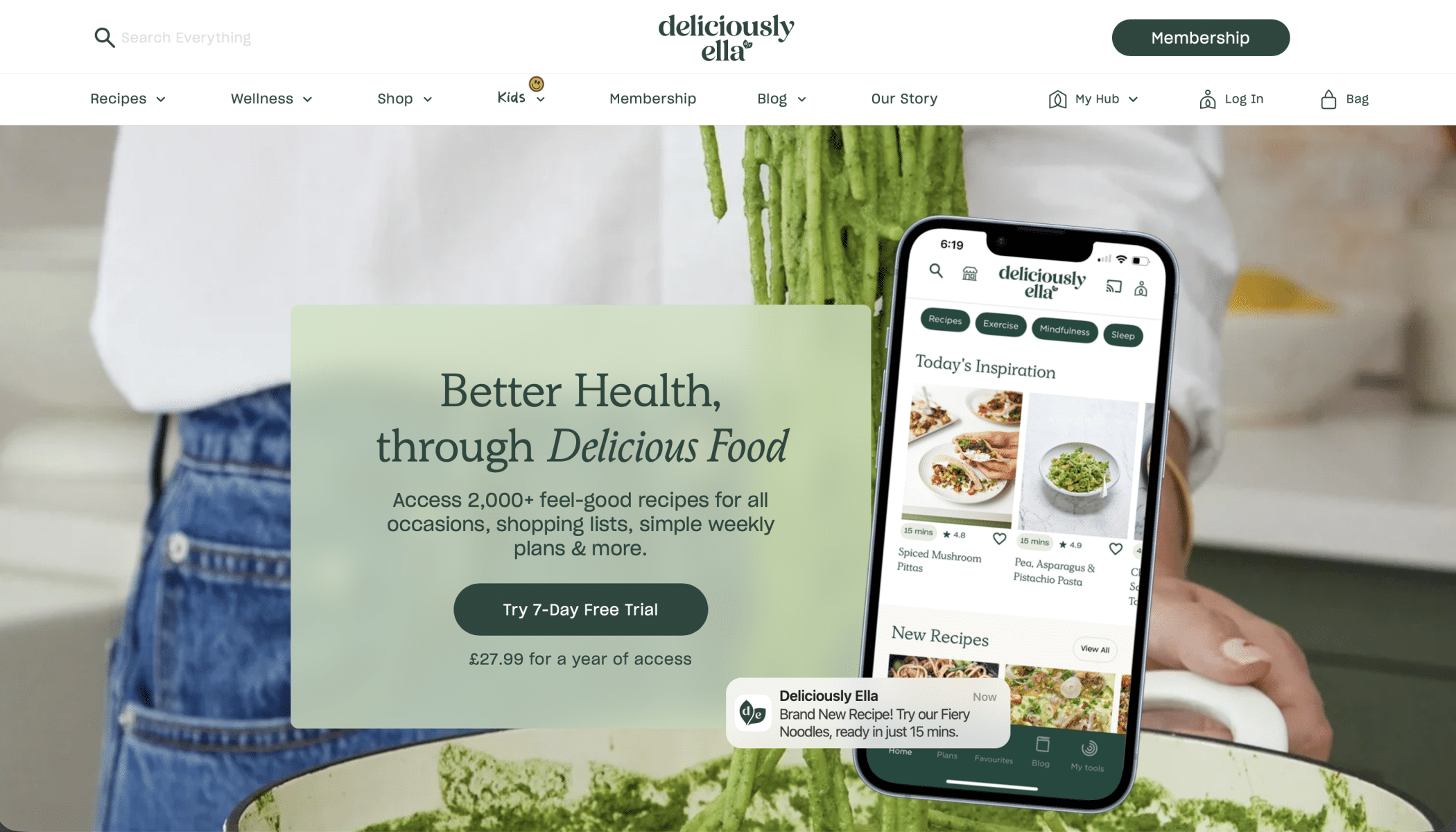
Success Story: Deliciously Ella
Ella Mills from Deliciously Ella began blogging in 2012, sharing her personal journey with health issues and her plant-based diet.
What began as a small blog turned into bestselling cookbooks, a product line, and a wellness app, with annual revenue of $25 million and over 100 million products sold.
In 2024, the Hero Group even acquired the company. Ella and her husband Matthew remain on board to drive international growth.
What makes this story relevant as a branding example?
Matthew Mills said it himself:
The key was building the brand before the product.
So, the secret to organic branding is to not be perfect from the outset, but to be consistent.
By taking her audience on her journey, Deliciously Ella has built a loyal following and established a brand identity that has evolved naturally over time.
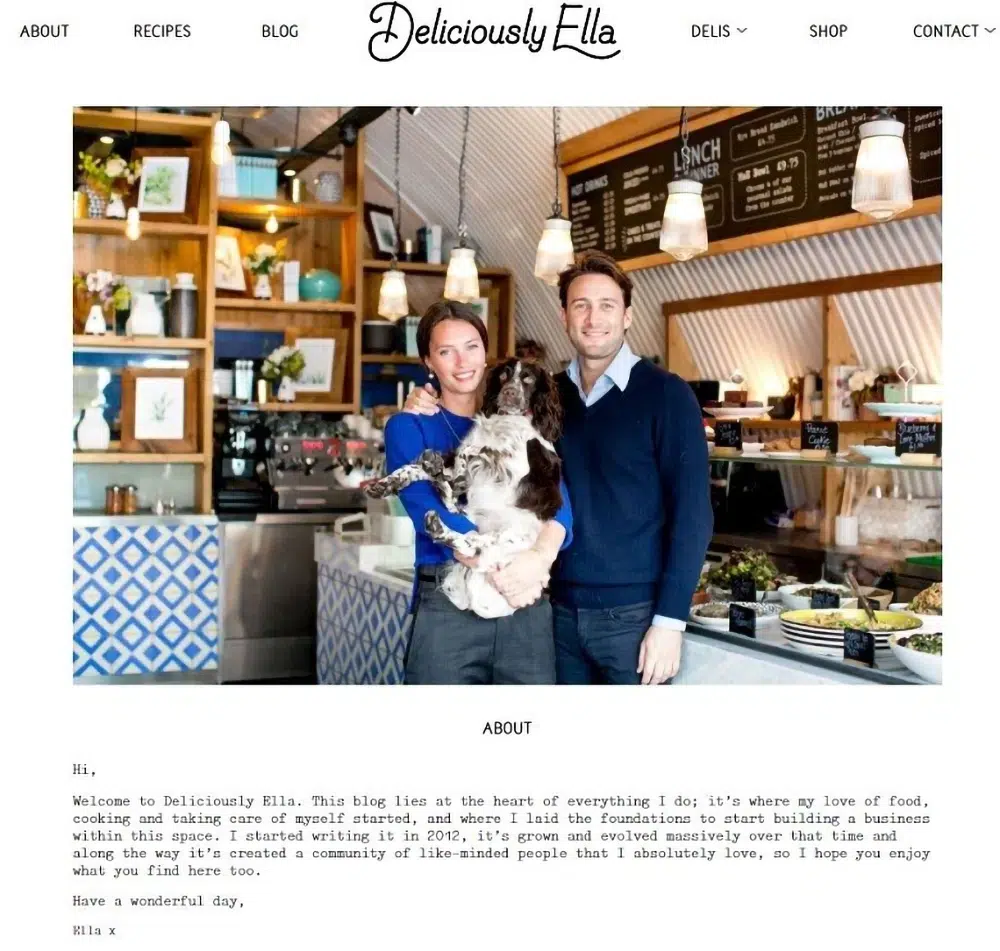
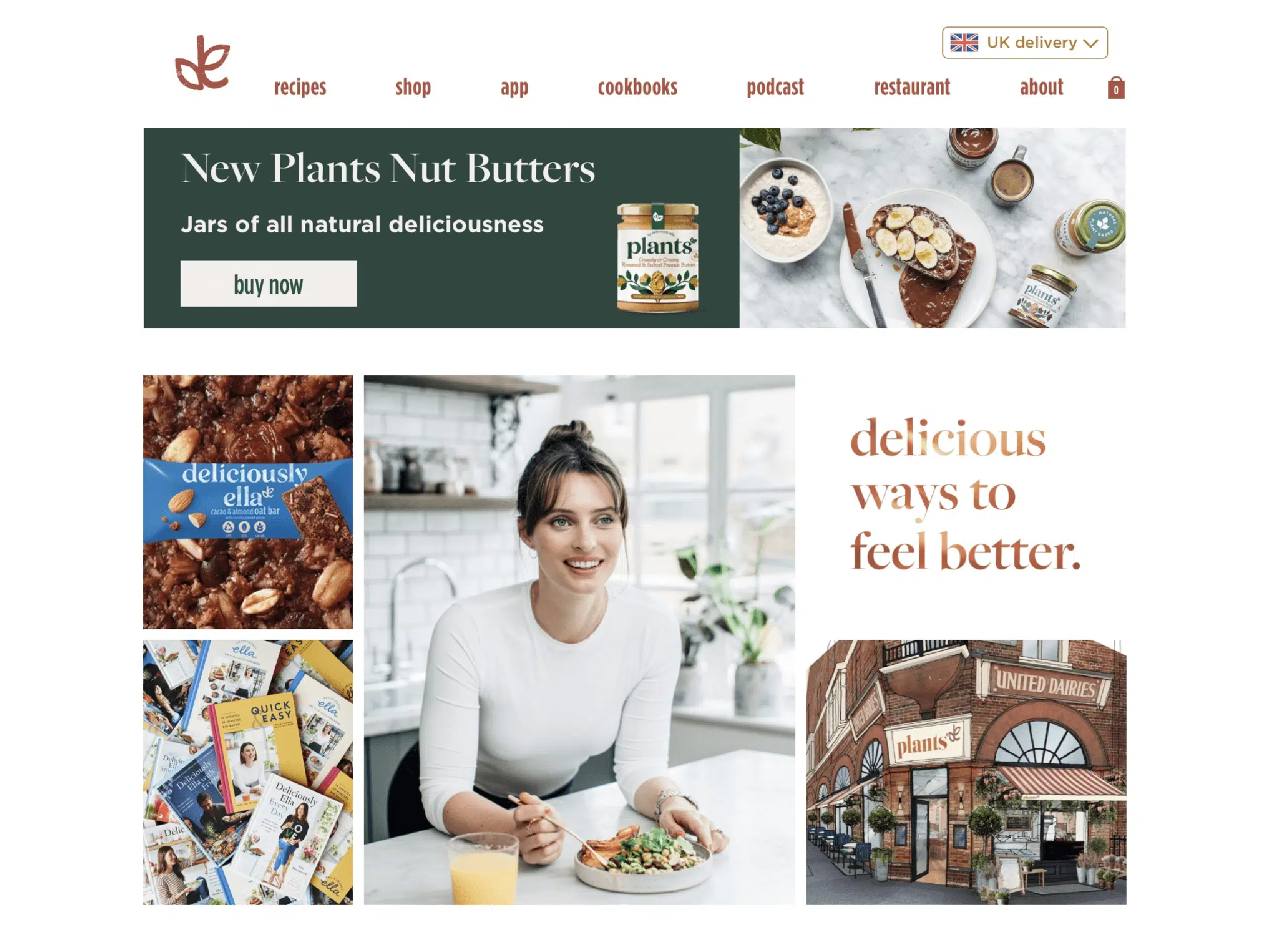
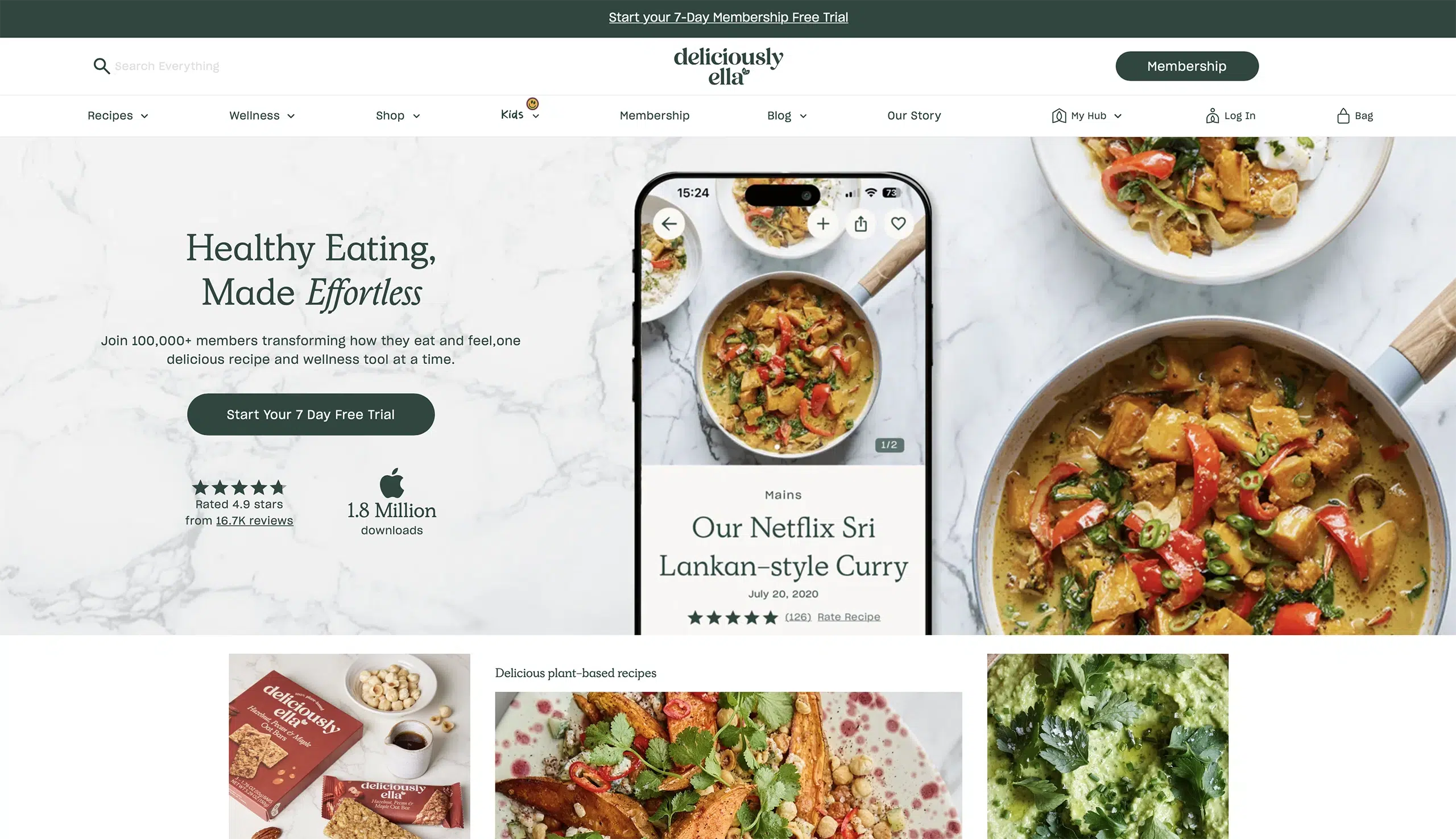
Let’s take a look at how her website has evolved from its early versions to where it is now.
6 signs you should invest in professional branding now
If two or more of these sound familiar, it’s probably time to take action.
1. Lack of brand awareness
Your target audience doesn’t know who you are or exactly what you offer, even though you’ve been active for a while.
Professional branding actively shapes perception and ensures you stay in people’s minds.
Further reading:
Once your brand is in place, the next step is getting it seen. Here are 20 ways to grow your brand awareness organically.
2. You keep attracting the wrong customers
You find yourself explaining what you do over and over, or getting enquiries from people who just aren’t right for your business.
This usually means your positioning needs work—not your sales or marketing.
Further reading:
- Looking for inspiration? I’ve put together a collection of brand positioning examples to help you find your angle.
- And if you’re still figuring out who you’re building this brand for, here’s why knowing your audience is the foundation of everything.
3. You don’t stand out
Customers can’t tell you apart from the competition. You blend in.
A clear brand identity fixes this by building distinctive brand assets by creating distinctive brand assets that stick in people’s minds.
Further reading:
- Curious what makes certain brand assets stick in people’s minds? I’ve broken it down here.
- And if you want to know what actually makes a brand recognisable, here’s what the research says.
4. Your brand looks outdated or unprofessional
Your materials don’t show what you’re really capable of, and that costs you trust and business.
5. Your brand doesn’t show what you stand for
According to the 2024 Edelman Trust Barometer Special Report, 84% of people globally say they need to share values with a brand before they’ll use it.
If your values aren’t visible, you miss out on building trust entirely.
Further reading:
Need help defining yours? Here are some brand values examples to get you started.
6. You’re making decisions every day without a plan
From social posts to pricing, everything takes more effort than it should. Clear branding gives you a framework to make choices easier.
A quick note:
Only invest in professional branding when there’s a clear reason.
Making changes without a strategy usually costs more than it’s worth. If you already have some brand assets, start with a brand audit.
Frequently Asked Questions
Can I wait for professional branding until I’m profitable?
Waiting is legitimate, but don’t wait to establish the basics. The moment you become visible, people start forming impressions and those impressions compound over time.
The more consistently someone sees your brand, the more familiar and trustworthy it feels. This is explained by the Mere Exposure Effect, a cognitive bias that forms our decision-making, and it’s exactly why brand consistency from day one matters, even without a big budget.
Is DIY branding okay?
Absolutely. That’s how many successful businesses started. The key is consistency. Use the same colours, the same fonts, the same tone everywhere.
DIY branding becomes a problem when your business grows, but your brand doesn’t keep up, or when inconsistency starts costing you clients.
When should I hire a designer or an agency?
When your current brand is holding you back, whether that’s attracting the wrong clients, making you look less credible than you are, or simply not reflecting where your business is today.
For service-based businesses, that’s typically once you have regular paying customers. For product-based businesses, ideally, before launch, since packaging and first impressions are everything.
What does professional branding cost?
It varies widely. Freelancers typically start around €3,000, while specialised agencies can go well beyond €50,000.
Price is important, but so is what’s included. Without a strategic foundation, a beautiful design is just expensive DIY branding.
Final words
You need branding from the start, but you don’t always need to go professional straight away. Wherever you are right now, here’s what matters at this stage:
For DIY branding:
- Use elements like colours and fonts consistently everywhere
- Define a clear tone of voice and write down your values and positioning
- Make every decision with these foundations in mind
For Professional Branding:
- Find a partner who gets you and your business. Not every designer is right for every industry. This article will help you decide whether to go with a freelance brand designer or an agency.
- Make sure someone guides you through the whole process. Ask upfront how much strategy is included. As a small business, you don’t need a global strategy, but you do need a clear direction to build on.
Ready to build a brand that’s true to who you are? Start with my free brand-building checklist, or if you’re ready to take the next step, see my services.
Title image by Antoni Shkraba Studio