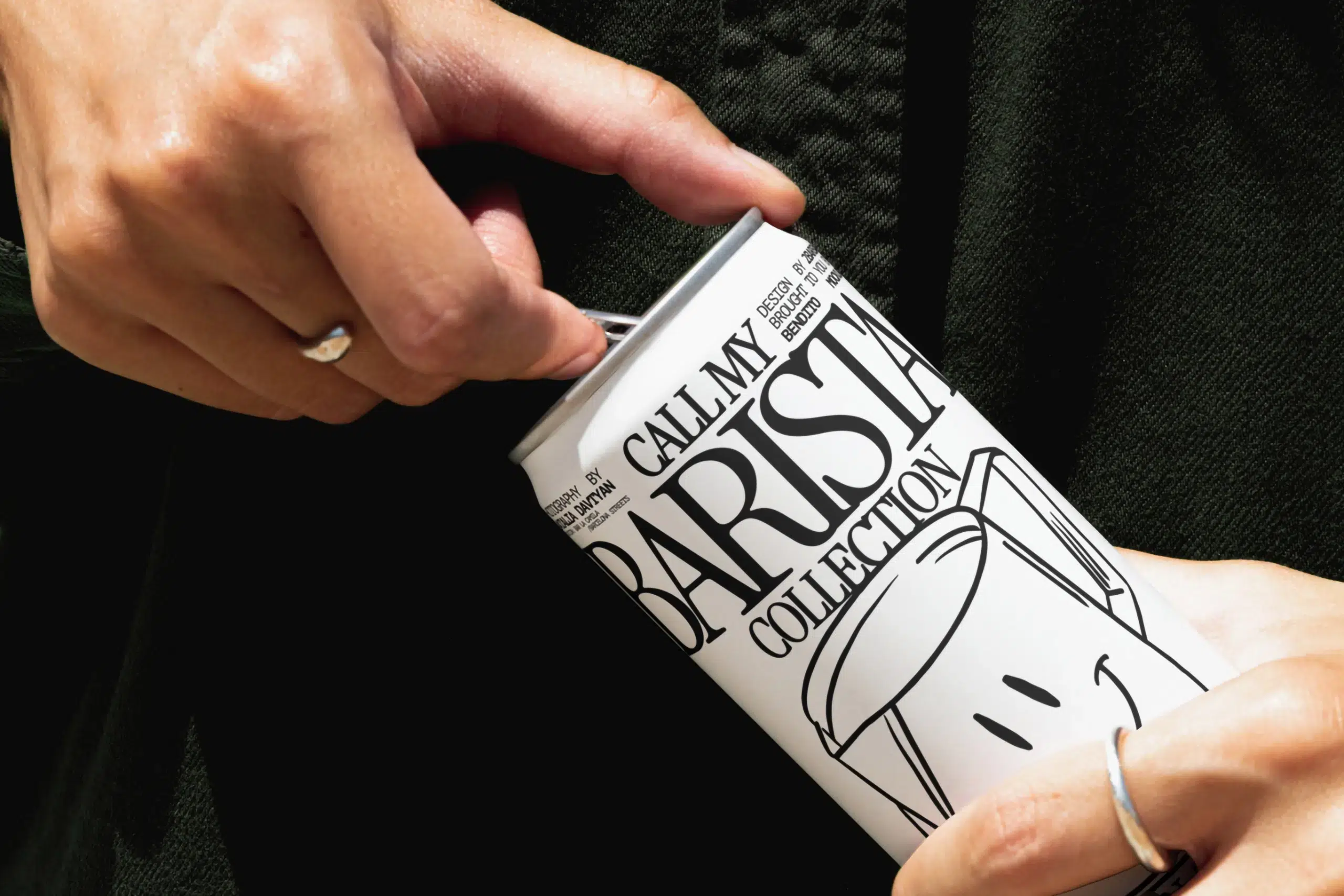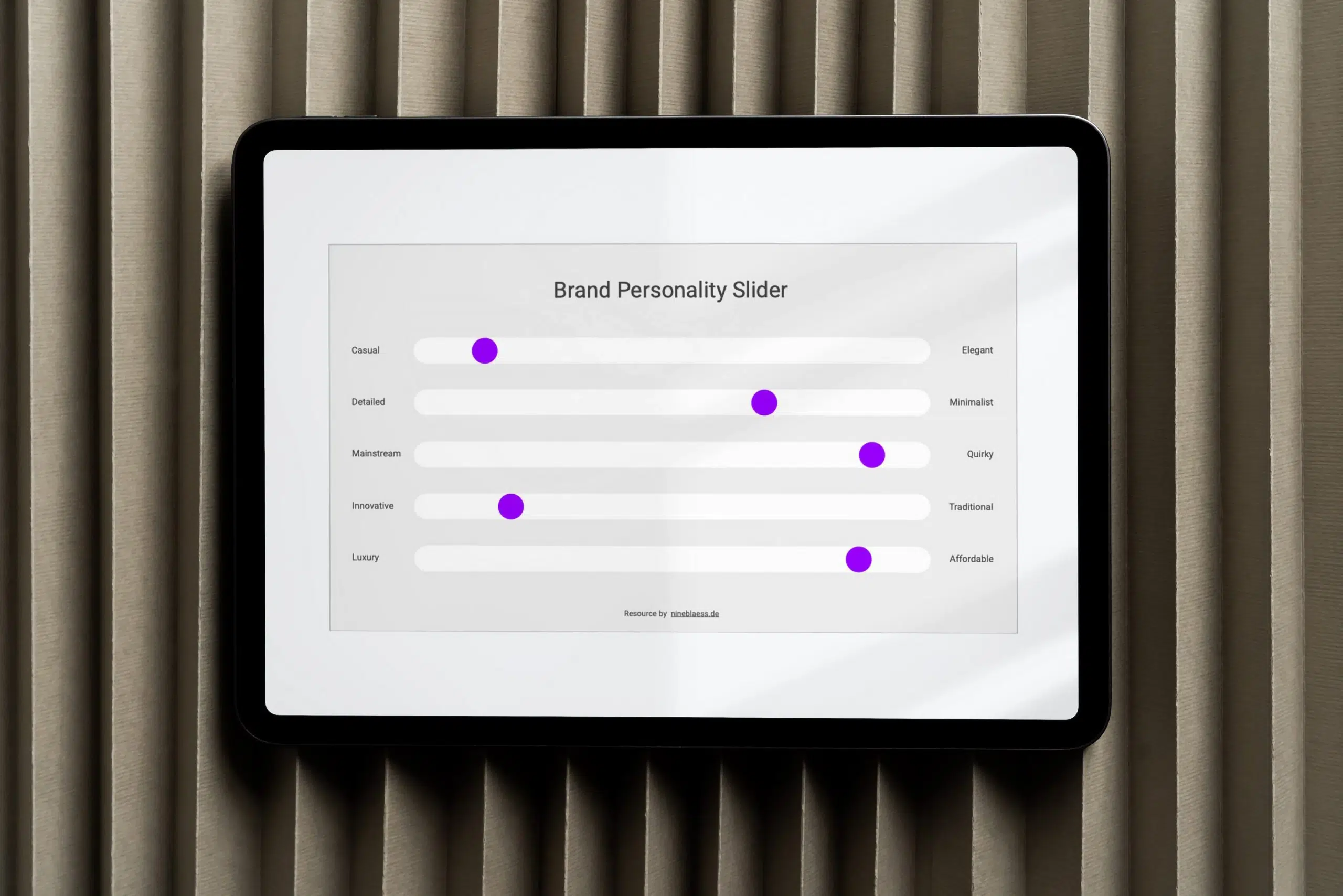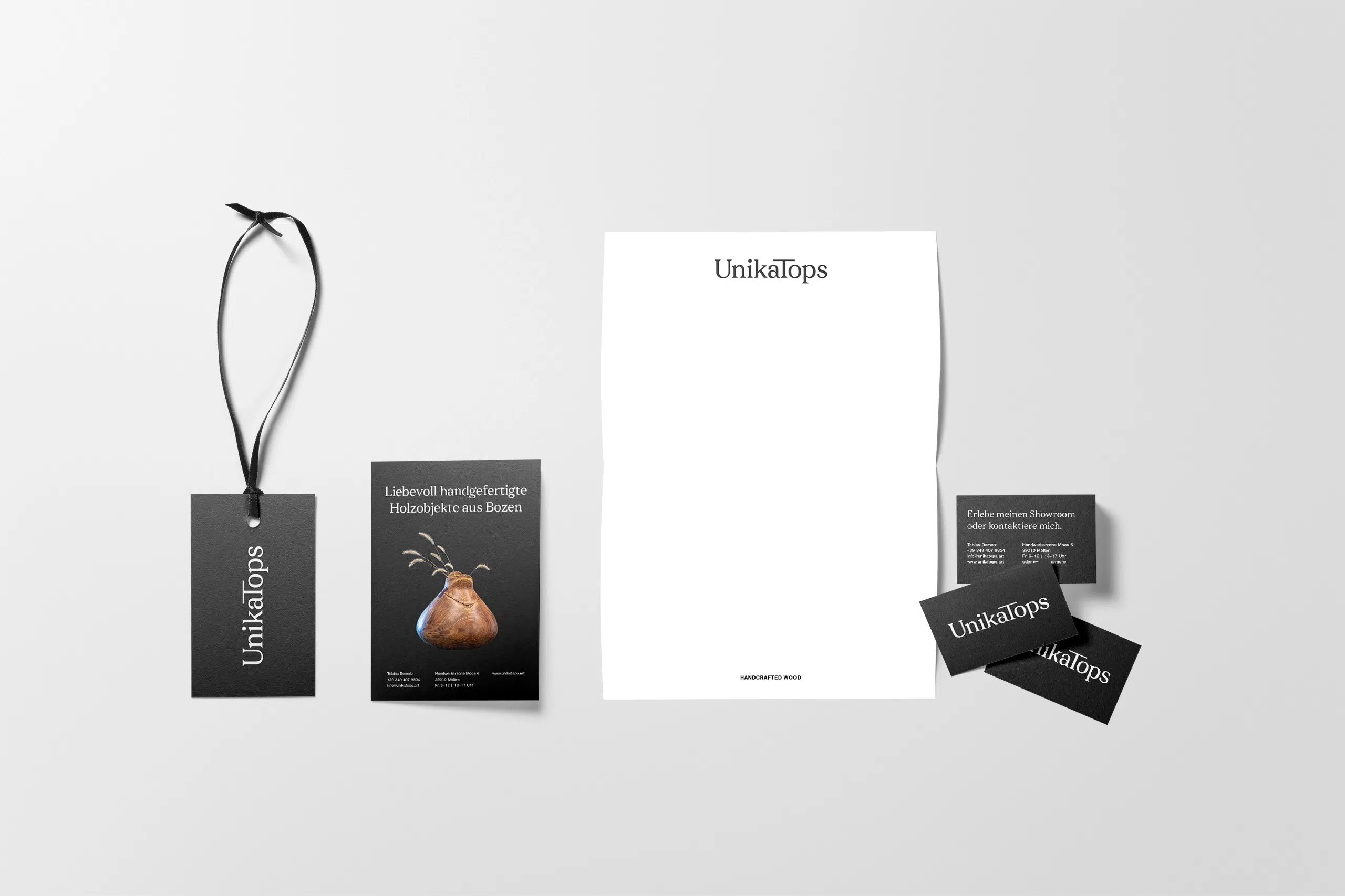


The businesses that get this aren’t always the biggest or best-resourced. They’re usually just specific about what they stand for and stay true to it.
Strong brands also invest in being known and understood, so that when someone needs what they offer, their brand is the first one that comes to mind. That’s what marketers call mental availability—the likelihood of your brand being thought of in a buying situation. It’s one of the most underrated drivers of growth.
Here are 13 characteristics that strong brands typically share.
1. Focus on the target audience
Strong brands know exactly who they’re for. They understand their audience deeply—their preferences, motivations and what keeps them up at night. That understanding shapes everything, from their offer to their decision-making.
But just as importantly, strong brands know who they’re not for.
Oatly is a good example. Its bold, opinionated personality, rebellious copy and activist stance only work because they know exactly who they’re talking to. It alienates a lot of people—and that’s exactly what brings them closer to their real audience.
Speaking clearly to your audience strengthens your mental availability. The more relevant your brand is to a specific group of people, the more readily it comes to mind when they need what you offer.
Further reading
I wrote a whole article on why it’s important to identify your audience in branding—and business in the wider sense.
2. Clear positioning
Strong brands carve out a distinct position in their market and stay true to it over time.
Volvo is known for its safety. That clarity means when families are choosing a car, they know exactly where to look. Audi, on the other hand, attracts a completely different buyer—one who’s after performance and design.
Neither brand is trying to be everything because they know that would make them appeal to no one properly.
For small businesses, clear positioning often matters even more than for large ones. You can’t outspend bigger brands for attention, but you can be more specific than they are. The narrower and clearer your position, the more likely you are to be the obvious choice for the right people.
Further reading
You might find these brand positioning examples inspiring—or learn more about brand positioning, here.
3. Well-defined mission and values
Strong brands are often motivated by something bigger than the product. A clear mission gives them direction, and strong values give their audience something to connect with—but only when those values actually show up in how the business operates.
Tony’s Chocolonely is a good example. The founder didn’t set out to sell chocolate. When he tried to have himself prosecuted for consuming slave-made chocolate to expose the industry—and failed—he started his own company instead. And in doing so, became the proof himself.
The mission of making chocolate 100% slave-free shapes every decision, including the unequal segments of the chocolate bar itself, which represent the unequal distribution of money in the cocoa industry. People buy Tony’s because they feel the purchase makes a difference.
As a small business, your mission doesn’t need to be grand. For example, I won’t work with clients in meat and dairy or any other industry built on exploitation. I don’t shout about it, but it’s just what I stand for.
Further reading
Find 15 real-world brand values examples, here.
4. Appropriate brand name
A strong brand name is easy to remember and spell, so people can recall it and pass it on in the right moments. It also aligns with the brand’s identity without limiting its future growth.
Aesop is a good example. The skincare brand is named after an ancient Greek storyteller. It sounds interesting without being too obvious. It works globally, feels premium, and doesn’t lock the brand into a single product category.
In fact, the name‚ combined with the world Aesop has built around it—leaves the door open to almost anything. If Aesop opened a hotel tomorrow, published a book, or launched a pyjama line, it would feel completely natural.
Clearasil is the opposite. The name tells you exactly what it does—and boxes the brand into a single skin concern.
Further reading
Find out how to create a strong brand name, here.
5. Distinctive visual identity
People form first impressions in milliseconds, and a strong visual identity is one of the fastest trust signals a brand can build. Thanks to the Halo Effect, people assume that if your design looks considered, your offer probably is too.
But beyond looking professional and trustworthy, strong brands build distinctive brand assets, specific elements used consistently over time that people instantly associate with the brand, even without seeing the name.
Mailchimp’s bold yellow colour, the character Freddie and the quirky illustration style are immediately recognisable—but only because they’ve been repeated across every touchpoint, over years.
Distinctive brand assets don’t necessarily need to be visual. They can be anything ownable that builds the same memory structure every time someone encounters it—such as a sound, scent, tagline, or your brand fonts.
Further reading
Find out what makes a brand recognisable.
6. Distinctive verbal identity
Strong brands also have a distinct verbal identity—a specific way of writing and speaking that resonates with exactly the right people. Used consistently, this builds familiarity and strong trust and loyalty.
Marmite is one of the best examples. Its “Love it or hate it” campaign is a fair observation of how people actually feel about the product. Rather than trying to convince them to like it, they leaned into the fact that many don’t. They turned this weakness into the brand’s entire personality. And that kind of self-awareness is exactly what makes it so memorable.
For small businesses, voice is often easier to build than people think. When there’s only one person writing all emails, proposals, and social posts, the tone is already set. It just needs to be used deliberately.
Further reading
If you want to learn how to create a distinctive brand voice, this article will help you.
7. Strong brand storytelling
Strong brands tell stories that go beyond the product. Their stories give people a reason to care about the brand—and something to tell others about it.
Deliciously Ella is a good example. Ella Mills started with a blog documenting how she changed her diet to manage a chronic illness. She wasn’t trying to sell anything—just sharing her experience and recipes. By the time she launched her first products, a community already existed around her story.
As a small business, your story can be simple. Why did you start your business? What did you try to change? Who are you for and how are you improving their lives?
Further reading
See how you can use brand storytelling in your business.
8. Exceptional brand experience
Strong brands treat every interaction as part of the brand and create a whole experience—a world—around it.
MAAP, the Australian cycling apparel label, is a good example. They didn’t just build a clothing brand—they built a world around their products. Their LaB stores function as cultural hubs with coffee and curated events. On top of that, they organise community rides. Buying from MAAP feels like belonging to a movement. When you’re purchasing a jersey, you’re part of that specific cycling culture.
Such an experience is very hard to replicate, because it’s almost like an extension of who the owners are.
Small businesses can do this well on a smaller scale too. A bookshop could host author evenings for its niche, or a café could open its space to local groups—like my favourite café Raglan Roast, which hosts a monthly typewriter club. Both create an experience that goes beyond the product.
Further reading
This article tells you everything you need to know about brand touchpoints.
9. Consistency
Consistency turns individual brand elements and experiences into recognition and trust over time—and makes mental availability compound.
Every consistent touchpoint reinforces the same memory structure in your audience’s mind.
Penguin Books is a good example. The orange spine and the logo have had the same logic since the 1930s. When you walk into a bookshop, you can spot them instantly.
The most common problem I see with small businesses isn’t bad design but inconsistency. They use different fonts across their social posts, or colour hues that shift between the website and email newsletter. Or they rebrand every other year before anyone has really taken the old branding in.
Every inconsistency throws you back. There’s a psychological principle behind this—the mere exposure effect. The more we see something, the more familiar and trustworthy it becomes.
Further reading
Learn why you need brand guidelines and what should be included.
10. Appropriate pricing
Few people realise that price is also part of the brand. It signals where you sit in the market and shapes how people perceive your business.
Luxury brands like Gucci charge high prices partly to signal quality and exclusivity. Value-oriented brands like IKEA, on the other hand, make affordability central to their identity.
Either strategy works as long as the price aligns with the brand’s visual and verbal identity.
A premium price next to a generic visual identity won’t be taken seriously. And a sophisticated brand that prices too low creates confusion and can actually put off the right people.
What’s more, strong brands avoid excessive discounting. While it might drive short-term sales, it quickly erodes the perceived value and trains customers to wait for the next sale.
Further reading
Learn more about pricing and brand perception.
11. Strategic brand partnerships
Strong brands understand the value of collaboration. They pursue strategic partnerships with brands that share their values and audience to broaden their reach and reinforce what they stand for.
Garage Project, a local Wellington brewery, is a good example. They’ve teamed up with many other local brands like Whittaker’s chocolate, Proper Crisps, the fashion label Twenty-Seven Names, the New Zealand Ballet, artists, chefs, and musicians. Each collaboration produced something interesting—like a limited-edition flavour, a beautiful label or an event that brought people together.
Small businesses can do this too—Garage Project started out as a small craft brewery themselves. At that scale, collaborations often feel more genuine than they do with large corporations.
Just keep in mind that a partnership that feels off-brand or far-fetched does more damage than none at all.
Further reading
In this article, you can find plenty of co-branding examples.
12. Actions over claims
Strong brands do what they say. Trust only builds when words and actions align.
When Patagonia donated the entire company to environmental causes in 2022, it wasn’t that surprising. Every business decision for decades had pointed in that direction. The donation was the logical next step for the brand.
Volkswagen is the opposite. The company had spent years building a reputation around German engineering and reliability. Then they installed software to cheat emissions tests. It took years to recover, because the gap between what they claimed and what they did was simply too wide.
For small businesses, acting on your values is often easier than it sounds. There are usually one or two founders making the decisions. They tend to be values-driven and don’t have to answer to shareholders or a board.
13. Innovation and adaptability
Strong brands constantly innovate. But they do it from the inside out, building on what they already stand for.
Lego nearly went bankrupt in the early 2000s because they lost sight of what made them Lego. They’d expanded into theme parks, clothing and TV shows, none of which had much to do with the bricks anymore.
When they came back, the innovation that followed—the adult sets and the digital experiences—seemed more aligned.
Netflix is a good contrast. Moving from DVD rental to streaming wasn’t a departure from what they stood for. It was the same idea expressed through new technology.
For small businesses, innovation doesn’t have to be dramatic. Misfit Garden sells fruit and vegetables that don’t meet cosmetic standards—and would otherwise go to waste—delivered as a subscription box straight to your door. That way, they can reach far more people than through a local shop.
Further reading
If you’re not sure where your brand currently stands, a brand audit is a good place to start.
Frequent questions
What is a strong brand?
A strong brand is one that people recognise, trust and keep choosing. Every brand exists, at its core, to sell. But what makes a brand truly strong is hard to measure. The strongest brands mean something to people. They reflect something about the person buying from them, and invite them to be part of something bigger.
What is brand equity?
Brand equity is the extra value your brand adds beyond its product or service. It’s why people pay more for one product over a similar one, and why a business with a strong brand can grow faster and sell for more.
What are the disadvantages of a strong brand?
A strong brand raises expectations, which need to be met.
- When people identify with your brand, they notice when you don’t deliver. A mistake that would go unnoticed for an unknown business can become a real problem when your audience feels like they’re part of it. It starts to feel personal.
- Strong brands also face more scrutiny. Their pricing, partnerships and public statements are held to a higher standard.
- And a very specific positioning—even though that’s powerful—can make it harder to expand into new markets or audiences without alienating the existing ones.
How long does it take to build a strong brand?
Building a strong brand takes years, if not decades. A visual identity and messaging can be developed in a matter of weeks. But reputation, recognition and trust only come from showing up and acting consistently over a long period of time.
Title image by Kaboompics