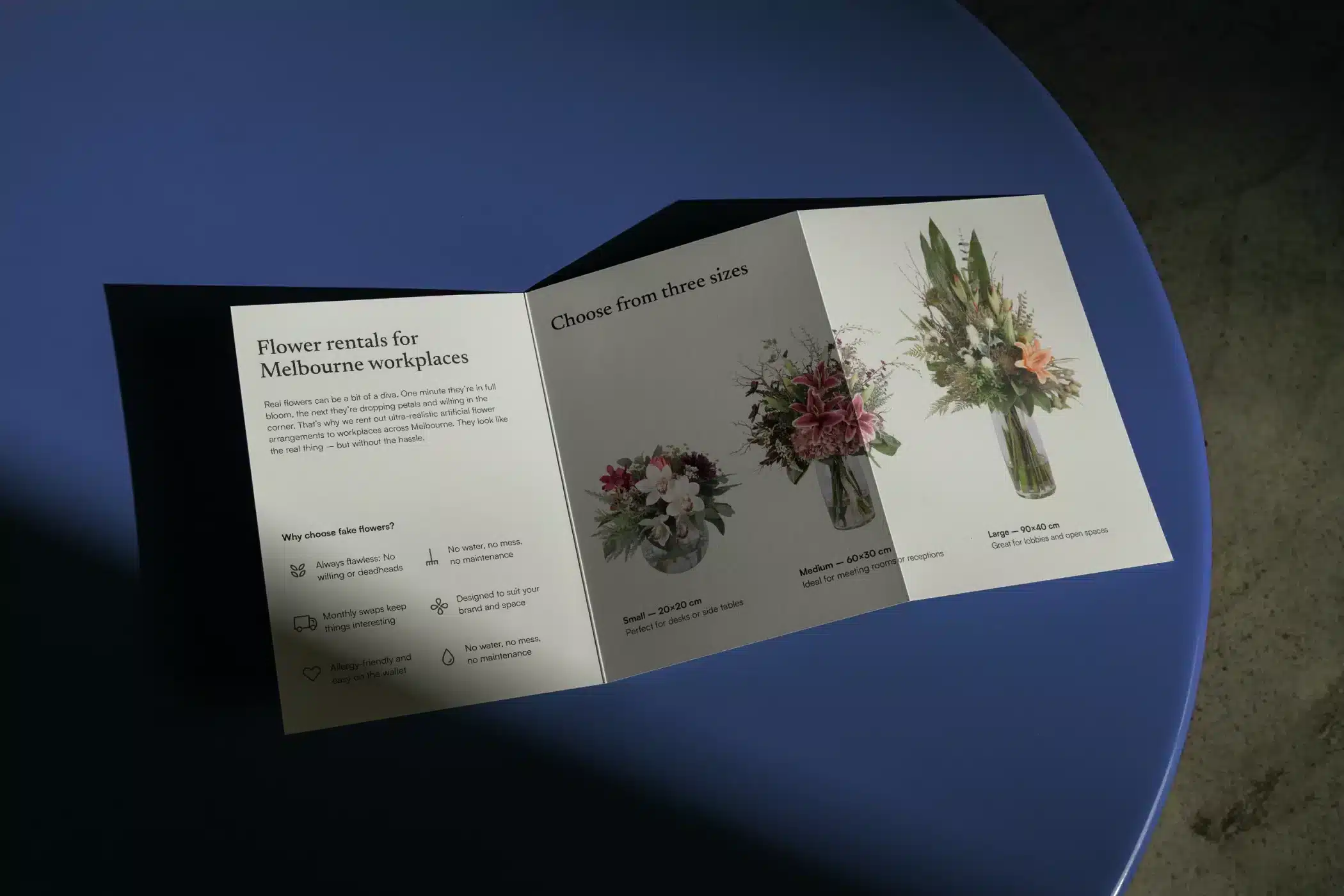
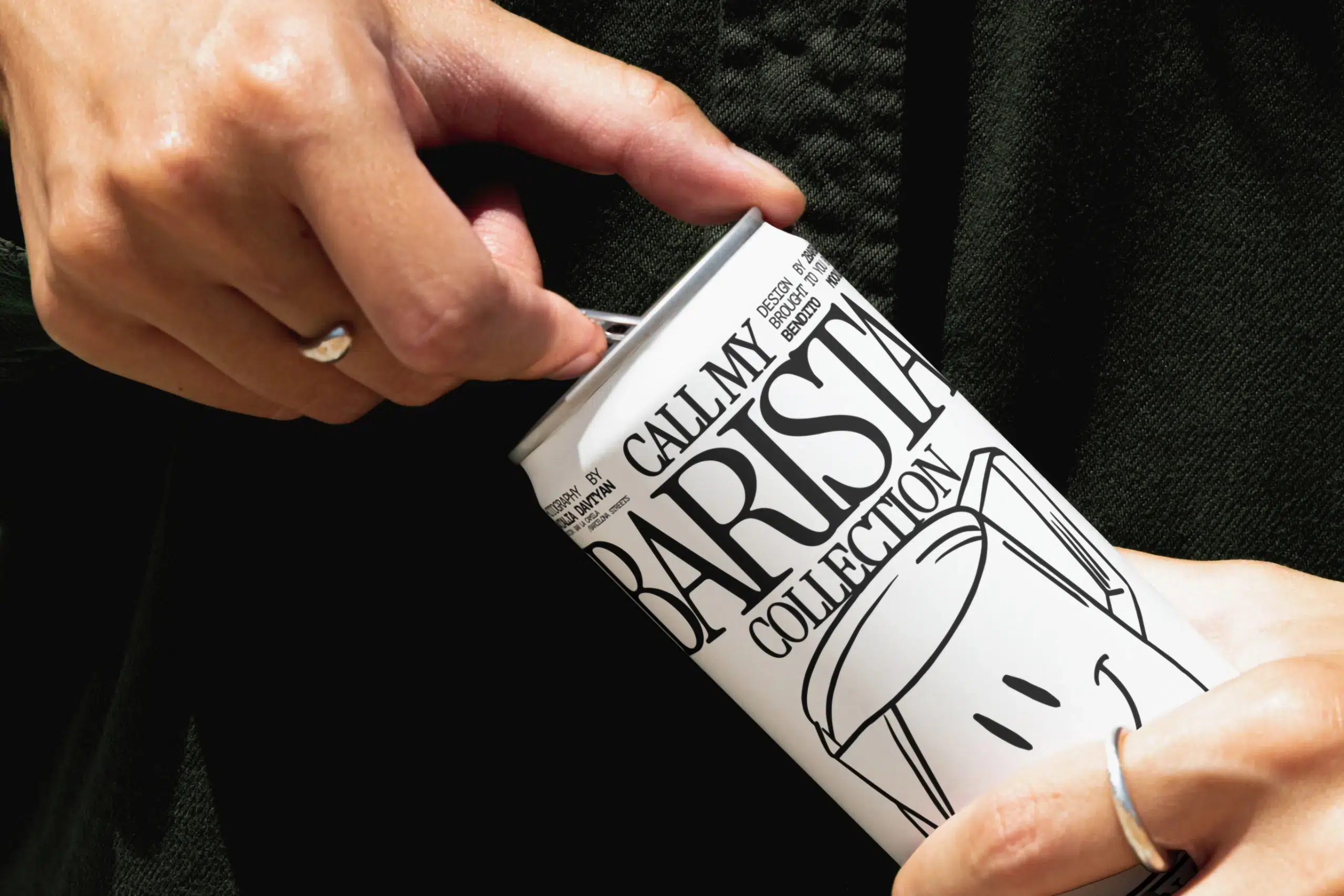
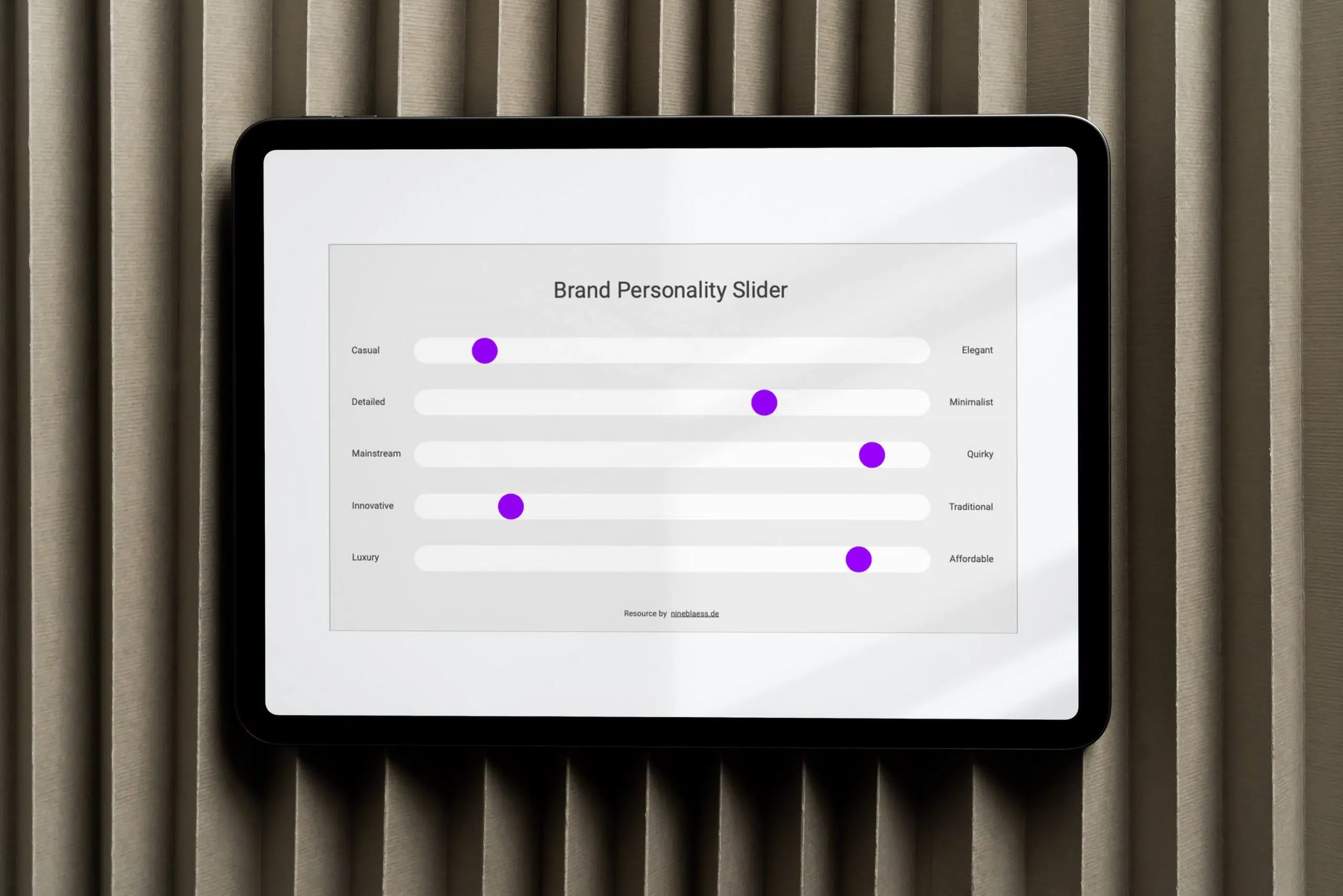
Here are 80 examples, grouped by the senses they appeal to. Use them as a checklist for what you already have and what you could still build. But keep in mind that a few assets used everywhere build more recognition than many used occasionally.
What are brand assets?
Brand assets are the building blocks of your brand. They can be tangible, like your logo or brand typeface, or intangible, like your brand story or brand values. Combined, they form the complete picture and shape your business’s identity.
But not every asset stands out just because you created it. You have to use them repeatedly and consistently before they establish themselves in people’s minds. When an asset becomes instantly recognisable and closely associated with your brand, it’s called a distinctive brand asset.
Brand assets vs marketing assets
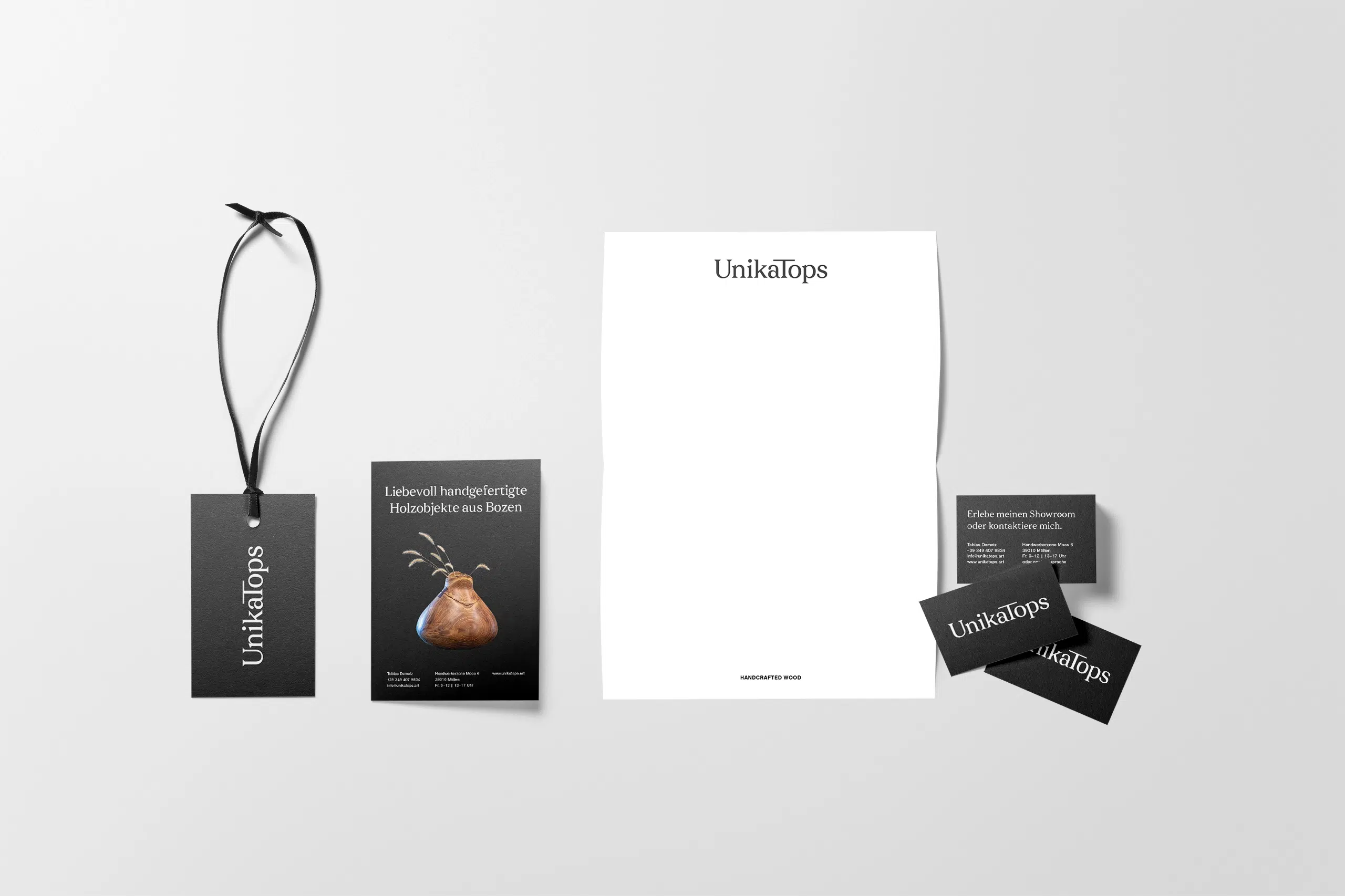
Marketing assets are the materials you use your brand assets in, such as ads, brochures, social media posts, videos or case studies. Your logo and colours are brand assets. The flyer they appear on is a marketing asset. In my article on brand collateral, I share which materials are worth it for small businesses.
80 brand asset examples
Visual brand assets
- Logo
- Brand typography (fonts, styles)
- Brand colour palette
- Brand icons
- Brand patterns
- Specific layout
- Brand illustrations
- Brand photography (original or stock images)
- Brand mascots (like Duo from Duolingo)
- A signature on-camera expression or pose
- Packaging design elements (specific graphics)
- Brand-specific infographics
- Product design (specific shape, materials)
- Brand-specific emojis
- Branded motion graphics
- Video intros and outros
- A recurring set or backdrop for videos
- Logo animation
- Brand watermarks
- Branded loading icon
- Website favicon
Sonic brand assets
- Jingles
- Sound logos (like the Netflix ta-dum)
- Voiceover talent
- Podcast intros
- Podcast outros
- Sound effects in advertisements
- On-hold music (in phone queues)
- Product sound (like starting a MacBook)
- Branded ringtone (like the famous Nokia ringtone)
- Branded soundtrack
Tactile brand assets
- Texture of packaging materials
- Embossed or debossed elements on brand collateral
- Unique packaging shapes
- Interactive packaging
- Texture and weight of paper in print materials
- Material choices in product design
- Ergonomic design features
- Haptic feedback in digital interfaces
- Textured surfaces in retail environments
- Texture of fabrics for fashion brands
- Unique product textures (e.g. a specific grip on a tool)
Scented brand assets
- Signature fragrance or scent
- Scented products (like Play-Doh)
- Fragrance in shops, hotels or showrooms (like Marriott)
- Scented promotional materials
- Air fresheners with brand-specific scents
- Scented packaging materials
- Scented candles
- Scented diffusers
- Scented packaging inserts
- A consistent event scent (like a hotel using its lobby fragrance at trade shows)
Taste brand assets
- Signature flavours
- Branded recipes
- Unique ingredient combinations
- Seasoning blends
- Limited edition flavours
- Flavour-infused products
- Personalised flavour experiences
- A signature tasting ritual (like twisting open an Oreo)
- A signature texture or mouthfeel (like the crack of the Magnum chocolate shell)
- Co-branded editions with other food brands (like Ben & Jerry’s flavour collaborations)
Intangible brand assets
Some of these, like your positioning or your values, aren’t cues people notice directly. They work through the other assets by setting the tone for them.
- Brand name
- Tagline, slogan or catchphrase
- Brand voice
- Brand messaging
- Brand essence
- Brand story
- Brand mission
- Brand vision
- Brand purpose
- Brand values
- Unique selling points
- Brand positioning
- Brand personality
- Brand culture
- Testimonials
- Online ratings
- Thought leadership
- Signature onboarding experience
Pick a few assets and use them everywhere
Most small businesses have more brand assets than they realise. The problem is usually that none of them has been used consistently enough to become linked to the brand.
So pick a handful and use them everywhere in the same combinations. Over time, people will recognise your brand from those cues alone, without seeing the name. That takes years, but it’s the whole point of building assets.
Content creators show how well this works. Cody Dahler jokes about political issues, always in the same park, filmed from the same perspectives. Louisa Munch, a critical theorist, recommends books in front of the same bookshelf. Both have a catchphrase they keep coming back to, “… but you don’t wanna sound like a thicky thicky dumb dumb” and “It’s an emergency”, and a signature facial expression. Cody smirks and Louisa looks extremely serious. None of it costs much, but repeated across all their videos, it makes them instantly recognisable. Brand strategist Eugene Healey calls these social devices—essentially distinctive brand assets built for social media.
If you want to work out which of your assets are working and which aren’t, a brand audit is a good place to start. My article on sensory branding has real examples for many of the scent, sound and touch assets above. And if you’re building your brand from scratch, my guide to branding for small businesses covers the whole process.
Title image © Author